
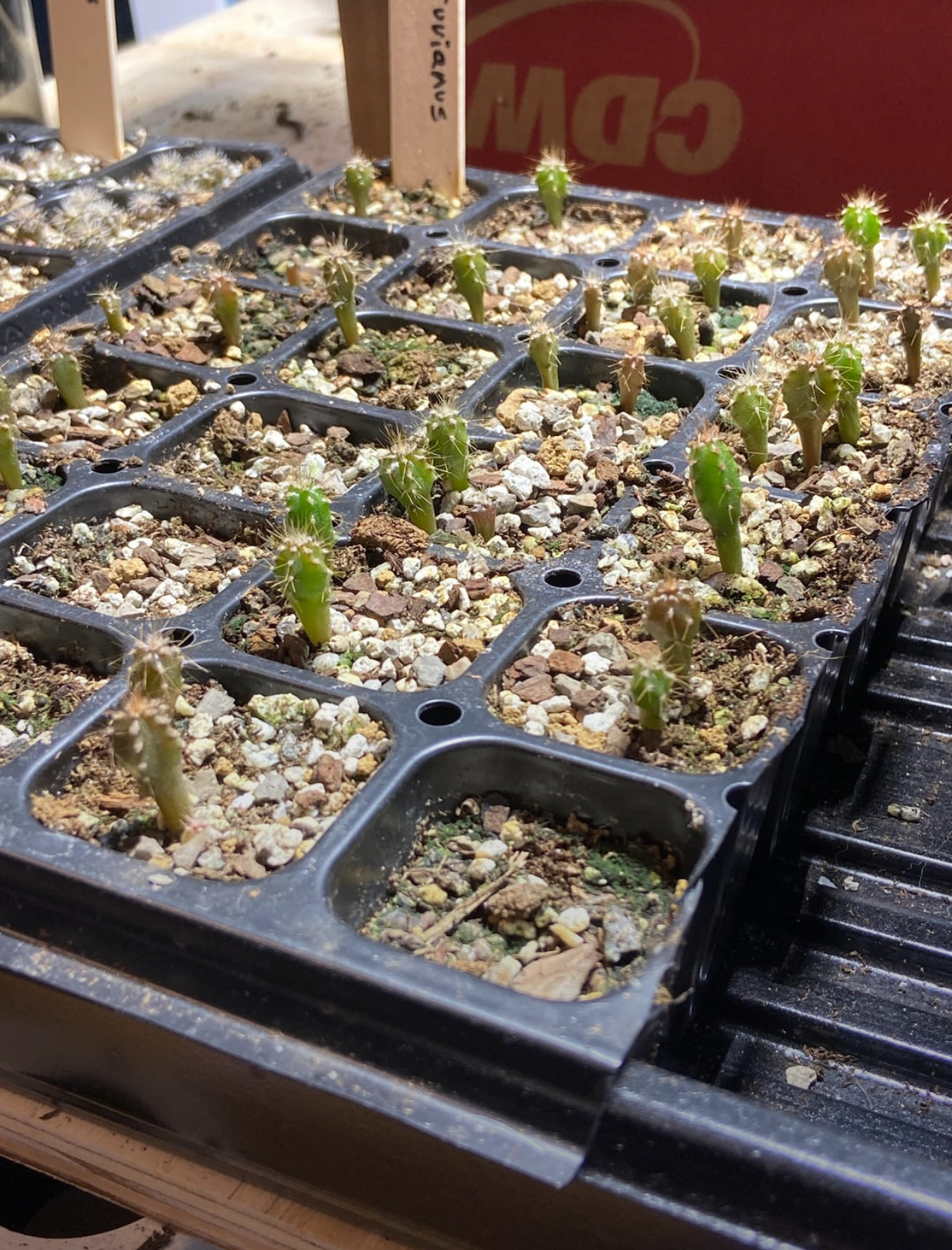
How to Care for Cactus Plants:
The Complete Guide
Whether you’re growing a rare Spiral Cactus indoors or a towering Argentine Saguaro in your garden, this guide covers everything — watering, soil, sunlight, repotting, and troubleshooting for beginners and collectors alike.
Cacti are often misunderstood. People assume that because they survive in deserts, they practically take care of themselves — but that’s only half true. Cacti are resilient, not indestructible. Give them the right conditions and they’ll reward you with decades of dramatic growth. Get a few key things wrong, and they’ll silently rot from the roots up.
This guide covers cactus care from every angle — from basic watering schedules to specialist advice for rare collector varieties like the Spiral Cactus and Spiraled Cereus. Whether you’re a first-time grower or an experienced collector, you’ll find exactly what you need here.
01. How to Water a Cactus
Overwatering kills more cacti than any other cause. The key principle is “soak and dry” — water thoroughly, then wait until the soil is completely dry before watering again.
How Often to Water a Cactus
Watering frequency depends entirely on the season and your environment. A cactus in a terracotta pot indoors in a dry home will need water more frequently than the same plant in a glazed ceramic pot in a humid climate.
| Season | Frequency | Notes |
|---|---|---|
| 🌱 Spring | Every 2 weeks | Growth resumes — increase water gradually |
| ☀️ Summer | Every 10–14 days | Peak growth season; water more if in direct sun |
| 🍂 Autumn | Every 3–4 weeks | Begin reducing; plant prepares for dormancy |
| ❄️ Winter | Once a month or less | Dormant period — minimal water needed |
Always check the soil with your finger — push it 2 inches deep. If you feel any moisture at all, wait. Cacti prefer to be slightly under-watered rather than overwatered.
How to Water Correctly
- Water at the base — never spray the pads or columns
- Water until it drains freely from the drainage holes
- Empty the saucer after 30 minutes — never let roots sit in water
- Use room-temperature water; cold water can stress roots
- Rainwater or filtered water is ideal; hard tap water can cause mineral buildup
02. Best Soil for Cactus Plants
The right soil is as important as the right watering schedule. Cacti need fast-draining, low-nutrient soil that mimics their natural desert or rocky habitat. Standard potting compost holds too much moisture and will eventually cause root rot.
The Ideal Cactus Soil Mix
The best cactus soil is roughly half organic material and half inorganic grit:
- 50% inorganic: Perlite, horticultural grit, or coarse sharp sand
- 50% organic: Cactus compost or low-peat potting mix
- Avoid sand from a beach or builder’s sand — it’s too fine and compacts
- For rare columnar cacti, increase grit to 60–70% for even faster drainage
Choosing the Right Pot
Always use a pot with drainage holes — this is non-negotiable for cacti. Terracotta pots are ideal because they’re porous, allowing air and moisture to evaporate from the sides. They also naturally prevent overwatering. If you prefer a decorative glazed pot, use it as an outer sleeve and keep the cactus in a terracotta inner pot.
03. Sunlight Requirements for Cactus
Most cacti are sun-lovers. In their native habitat, they receive intense, unfiltered sunlight for many hours a day. Indoors, replicating that is challenging — but achievable with the right placement.
6–8 hrs direct
4–6 hrs near window
Best for US/UK
Full spectrum LED
Signs Your Cactus Needs More Light
- Etiolation — the plant stretches thin and tall reaching for light
- Pale green or yellow colour instead of deep, vibrant green
- Leaning significantly toward the window
- Very slow growth even during the active season
Acclimatising to Bright Light
If moving a cactus from low light to full sun, do it gradually over 2–3 weeks. Sudden exposure to intense direct sun can cause sunscorch — white or brown patches on the sun-facing side of the plant. This is especially common with rare columnar varieties.
04. Temperature & Humidity
Cacti are remarkably temperature-tolerant but have clear preferences. Most species thrive in warm, dry conditions and are stressed by cold or excessive humidity.
18–32°C
Varies by species
Low is better
Bring indoors below 45°F
Keep cacti away from cold draughts, air conditioning vents, and unheated windowsills in winter. High humidity — such as in a bathroom or kitchen — is one of the fastest ways to encourage fungal disease and root rot in a cactus.
05. Fertilizing Your Cactus
Cacti are light feeders — they’ve evolved in nutrient-poor soils. Too much fertilizer can cause rapid, weak growth and even burn the roots. But a light feed during the active growing season genuinely helps, especially for rare columnar and globular varieties.
Fertilizer Schedule
- Spring & Summer: Feed once a month with a low-nitrogen cactus fertilizer (NPK ratio like 5-10-10 is ideal)
- Autumn: Feed once only, at the start of the season
- Winter: Do not feed — the plant is dormant
- Always water the plant first before applying liquid fertilizer — never feed a completely dry root system
A fertilizer high in phosphorus (the middle number) promotes flowering and root development — ideal for cacti. Avoid anything high in nitrogen, which encourages soft, weak growth that’s more susceptible to rot and pests.
Rare Indoor Cactus Plants
Shop our collector-grade Spiral Cactus, Spiraled Cereus, and rare live cacti — all rooted and shipped worldwide from Illinois.
06. When & How to Repot a Cactus
Cacti don’t mind being slightly root-bound — in fact, a slightly snug pot can help control growth and prevent overwatering. But when roots start circling the bottom of the pot or pushing out of drainage holes, it’s time to repot.
Signs It’s Time to Repot
- Roots visibly pushing out of drainage holes
- Plant wobbling or tipping due to root mass
- Very rapid drying of soil (roots have filled the pot)
- No new growth despite good care during the active season
How to Repot Safely
Repotting a cactus is straightforward but requires care due to spines. Here’s the safest method:
- Wrap the cactus with several layers of newspaper or use thick leather gloves
- Gently tip the pot and ease the root ball out — don’t pull the plant by the trunk
- Shake off old soil and inspect the roots — trim any brown, mushy roots with clean scissors
- Let the roots air-dry for 24–48 hours before repotting (reduces infection risk)
- Place in new pot with fresh cactus mix; the new pot should be only 1–2 inches wider
- Wait 1–2 weeks before the first watering to let any trimmed roots heal
The best time to repot is early spring, just as the plant is coming out of winter dormancy and about to enter its growing season.
07. Indoor Cactus Care Tips
Growing cacti indoors is very achievable — millions of people do it successfully. The most common failure point is light: most homes simply don’t provide enough bright, direct sun. Here’s how to maximise success indoors.
- Place on the sunniest windowsill in your home — ideally south- or west-facing
- Rotate the pot 90 degrees every 2 weeks for even, upright growth
- Keep away from cold glass in winter — the cold radiating from the window can damage roots
- Avoid placing near radiators — the intense dry heat can cause dehydration and stress
- Use a full-spectrum LED grow light if natural light is insufficient — 12–14 hours per day
- Keep out of bathrooms and kitchens unless well-ventilated — high humidity promotes rot
For rare indoor varieties like the Spiral Cactus and Spiraled Cereus, the same principles apply — they just need slightly more attention to their unique form to maintain their striking spiral growth pattern.
08. Outdoor Cactus Care Tips
Outdoor cacti are among the most dramatic and low-maintenance garden plants you can grow. Once established, columnar varieties like the Argentine Saguaro and Mexican Fence Post require very little intervention.
- Plant in full sun — 6+ hours of direct sunlight daily
- Ensure the planting site has excellent drainage — raised beds or slopes are ideal
- In USDA hardiness zones 8 and below, bring tender species indoors before the first frost
- Mulch around the base (not touching the plant) to regulate soil temperature
- Established outdoor cacti typically need no supplemental watering except during prolonged drought
- In rainy climates, plant in raised beds with gritty soil to prevent waterlogging
The Argentine Saguaro is surprisingly cold-tolerant for a columnar cactus and can handle brief frosts in well-drained soil. The Mexican Fence Post prefers to stay above freezing. Always research the specific cold tolerance of any variety before leaving it outdoors year-round in colder climates.
Rare Outdoor Cacti for Sale
Argentine Saguaro, Mexican Fence Post, and Cactus Degraft — all rooted and ready to ship worldwide.
09. Troubleshooting Common Cactus Problems
Even experienced growers run into problems. Here are the most common issues and their solutions:
| Problem | Most Likely Cause | Fix |
|---|---|---|
| Yellowing, mushy base | Root rot from overwatering | Unpot immediately, cut off rotten roots, air dry 48 hrs, repot in dry fresh mix |
| Pale, stretching upward | Insufficient light (etiolation) | Move to brighter location or add a grow light; etiolation cannot be reversed |
| White/brown patches on skin | Sunscorch | Move out of harsh afternoon sun or acclimatise more gradually; scarred tissue is permanent |
| White cottony spots | Mealybugs | Remove with 70% isopropyl alcohol on a cotton swab; repeat weekly for 3–4 weeks |
| Rust-coloured spots or scabs | Spider mites or scale insects | Spray with neem oil solution; improve airflow around the plant |
| Shrivelling and wrinkling | Underwatering or root damage | Water thoroughly; if watered and still shrivelling, check roots for rot |
| Black marks at base | Fungal disease from moisture | Cut back to healthy tissue, dust with sulphur powder, reduce watering drastically |
10. Frequently Asked Questions
How often should I water my cactus?
In spring and summer (the active growing season), water every 2–3 weeks. In autumn and winter, reduce to once a month or less. The golden rule: only water when the soil is completely dry 2 inches deep. When in doubt, wait a few more days.
What is the best soil for cactus plants?
A mix of 50% inorganic grit (perlite or coarse horticultural sand) and 50% cactus compost or low-peat potting mix. The key is fast drainage — water should flow through quickly and not pool. Avoid standard potting mixes labelled “moisture-retaining.”
How much sunlight does a cactus need indoors?
Aim for 4–6 hours of bright, direct sunlight per day. A south- or west-facing window is ideal. If natural light is limited, a full-spectrum LED grow light running 12–16 hours per day is an effective substitute. Without enough light, cacti will etiolate (stretch) toward the nearest light source.
Can cactus plants grow indoors?
Absolutely. Many species — including the Spiral Cactus, Spiraled Cereus, and most globular varieties — thrive as houseplants. The key is providing enough bright light and using a well-draining soil mix in a pot with drainage holes.
Why is my cactus turning yellow?
Yellowing is almost always a sign of overwatering or root rot. Unpot the plant and inspect the roots — healthy roots are white or pale tan; rotten roots are brown, black, and mushy. If you find rot, cut it back to healthy tissue, air-dry for 48 hours, and repot in completely dry fresh cactus mix. Reduce watering significantly going forward.
Do I need to fertilize my cactus?
It’s not essential, but a light feed during the growing season (spring and summer) is beneficial. Use a low-nitrogen, high-phosphorus fertilizer (like a 5-10-10 NPK ratio) once a month from spring through early summer. Never feed in winter when the plant is dormant.
What temperature is too cold for cactus plants?
Most cacti prefer temperatures above 50°F (10°C). Bring outdoor container cacti inside when temperatures drop below 45°F (7°C). Some cold-hardy species like the Argentine Saguaro can handle brief light frosts, but extended freezing temperatures will damage or kill most cacti.
How do I get rid of mealybugs on my cactus?
Dab each white cottony cluster with 70% isopropyl alcohol using a cotton swab — this kills them on contact. Repeat every 5–7 days for 3–4 weeks to catch any newly hatched eggs. For severe infestations, spray with diluted neem oil. Isolate the affected plant to prevent spreading to others.
Tips for Buying Rare Cactus Plants
If you’re looking to add a statement cactus to your collection — whether an architectural columnar species or a rare collector’s variety — here’s what to look for:
- Buy only rooted plants from reputable sellers — unrooted cuttings are high risk for beginners
- Request recent photos of the exact plant you’ll receive
- Ask about shipping packaging — cacti need specialist packaging to survive transit
- Check for CITES documentation if buying certain rare species across international borders
- Avoid plants that look sunken, shrivelled, or have soft spots at the base
- Purchase during spring or early summer when plants ship and recover best
Ready to Add a Rare Cactus to Your Collection?
Browse our full range of rare indoor and outdoor cacti — all fully rooted, healthy, and shipped worldwide with specialist packaging from New Baden, Illinois.
Shop All Rare Cacti →Related Articles
How to Care for Cactus Plants:
The Complete Guide
Whether you’re growing a rare Spiral Cactus indoors or a towering Argentine Saguaro in your garden, this guide covers everything — watering, soil, sunlight, repotting, and troubleshooting for beginners and collectors alike.
Cacti are often misunderstood. People assume that because they survive in deserts, they practically take care of themselves — but that’s only half true. Cacti are resilient, not indestructible. Give them the right conditions and they’ll reward you with decades of dramatic growth. Get a few key things wrong, and they’ll silently rot from the roots up.
This guide covers cactus care from every angle — from basic watering schedules to specialist advice for rare collector varieties like the Spiral Cactus and Spiraled Cereus. Whether you’re a first-time grower or an experienced collector, you’ll find exactly what you need here.
01. How to Water a Cactus
Overwatering kills more cacti than any other cause. The key principle is “soak and dry” — water thoroughly, then wait until the soil is completely dry before watering again.
How Often to Water a Cactus
Watering frequency depends entirely on the season and your environment. A cactus in a terracotta pot indoors in a dry home will need water more frequently than the same plant in a glazed ceramic pot in a humid climate.
| Season | Frequency | Notes |
|---|---|---|
| 🌱 Spring | Every 2 weeks | Growth resumes — increase water gradually |
| ☀️ Summer | Every 10–14 days | Peak growth season; water more if in direct sun |
| 🍂 Autumn | Every 3–4 weeks | Begin reducing; plant prepares for dormancy |
| ❄️ Winter | Once a month or less | Dormant period — minimal water needed |
Always check the soil with your finger — push it 2 inches deep. If you feel any moisture at all, wait. Cacti prefer to be slightly under-watered rather than overwatered.
How to Water Correctly
- Water at the base — never spray the pads or columns
- Water until it drains freely from the drainage holes
- Empty the saucer after 30 minutes — never let roots sit in water
- Use room-temperature water; cold water can stress roots
- Rainwater or filtered water is ideal; hard tap water can cause mineral buildup
02. Best Soil for Cactus Plants
The right soil is as important as the right watering schedule. Cacti need fast-draining, low-nutrient soil that mimics their natural desert or rocky habitat. Standard potting compost holds too much moisture and will eventually cause root rot.
The Ideal Cactus Soil Mix
The best cactus soil is roughly half organic material and half inorganic grit:
- 50% inorganic: Perlite, horticultural grit, or coarse sharp sand
- 50% organic: Cactus compost or low-peat potting mix
- Avoid sand from a beach or builder’s sand — it’s too fine and compacts
- For rare columnar cacti, increase grit to 60–70% for even faster drainage
Choosing the Right Pot
Always use a pot with drainage holes — this is non-negotiable for cacti. Terracotta pots are ideal because they’re porous, allowing air and moisture to evaporate from the sides. They also naturally prevent overwatering. If you prefer a decorative glazed pot, use it as an outer sleeve and keep the cactus in a terracotta inner pot.
03. Sunlight Requirements for Cactus
Most cacti are sun-lovers. In their native habitat, they receive intense, unfiltered sunlight for many hours a day. Indoors, replicating that is challenging — but achievable with the right placement.
6–8 hrs direct
4–6 hrs near window
Best for US/UK
Full spectrum LED
Signs Your Cactus Needs More Light
- Etiolation — the plant stretches thin and tall reaching for light
- Pale green or yellow colour instead of deep, vibrant green
- Leaning significantly toward the window
- Very slow growth even during the active season
Acclimatising to Bright Light
If moving a cactus from low light to full sun, do it gradually over 2–3 weeks. Sudden exposure to intense direct sun can cause sunscorch — white or brown patches on the sun-facing side of the plant. This is especially common with rare columnar varieties.
04. Temperature & Humidity
Cacti are remarkably temperature-tolerant but have clear preferences. Most species thrive in warm, dry conditions and are stressed by cold or excessive humidity.
18–32°C
Varies by species
Low is better
Bring indoors below 45°F
Keep cacti away from cold draughts, air conditioning vents, and unheated windowsills in winter. High humidity — such as in a bathroom or kitchen — is one of the fastest ways to encourage fungal disease and root rot in a cactus.
05. Fertilizing Your Cactus
Cacti are light feeders — they’ve evolved in nutrient-poor soils. Too much fertilizer can cause rapid, weak growth and even burn the roots. But a light feed during the active growing season genuinely helps, especially for rare columnar and globular varieties.
Fertilizer Schedule
- Spring & Summer: Feed once a month with a low-nitrogen cactus fertilizer (NPK ratio like 5-10-10 is ideal)
- Autumn: Feed once only, at the start of the season
- Winter: Do not feed — the plant is dormant
- Always water the plant first before applying liquid fertilizer — never feed a completely dry root system
A fertilizer high in phosphorus (the middle number) promotes flowering and root development — ideal for cacti. Avoid anything high in nitrogen, which encourages soft, weak growth that’s more susceptible to rot and pests.
Rare Indoor Cactus Plants
Shop our collector-grade Spiral Cactus, Spiraled Cereus, and rare live cacti — all rooted and shipped worldwide from Illinois.
06. When & How to Repot a Cactus
Cacti don’t mind being slightly root-bound — in fact, a slightly snug pot can help control growth and prevent overwatering. But when roots start circling the bottom of the pot or pushing out of drainage holes, it’s time to repot.
Signs It’s Time to Repot
- Roots visibly pushing out of drainage holes
- Plant wobbling or tipping due to root mass
- Very rapid drying of soil (roots have filled the pot)
- No new growth despite good care during the active season
How to Repot Safely
Repotting a cactus is straightforward but requires care due to spines. Here’s the safest method:
- Wrap the cactus with several layers of newspaper or use thick leather gloves
- Gently tip the pot and ease the root ball out — don’t pull the plant by the trunk
- Shake off old soil and inspect the roots — trim any brown, mushy roots with clean scissors
- Let the roots air-dry for 24–48 hours before repotting (reduces infection risk)
- Place in new pot with fresh cactus mix; the new pot should be only 1–2 inches wider
- Wait 1–2 weeks before the first watering to let any trimmed roots heal
The best time to repot is early spring, just as the plant is coming out of winter dormancy and about to enter its growing season.
07. Indoor Cactus Care Tips
Growing cacti indoors is very achievable — millions of people do it successfully. The most common failure point is light: most homes simply don’t provide enough bright, direct sun. Here’s how to maximise success indoors.
- Place on the sunniest windowsill in your home — ideally south- or west-facing
- Rotate the pot 90 degrees every 2 weeks for even, upright growth
- Keep away from cold glass in winter — the cold radiating from the window can damage roots
- Avoid placing near radiators — the intense dry heat can cause dehydration and stress
- Use a full-spectrum LED grow light if natural light is insufficient — 12–14 hours per day
- Keep out of bathrooms and kitchens unless well-ventilated — high humidity promotes rot
For rare indoor varieties like the Spiral Cactus and Spiraled Cereus, the same principles apply — they just need slightly more attention to their unique form to maintain their striking spiral growth pattern.
08. Outdoor Cactus Care Tips
Outdoor cacti are among the most dramatic and low-maintenance garden plants you can grow. Once established, columnar varieties like the Argentine Saguaro and Mexican Fence Post require very little intervention.
- Plant in full sun — 6+ hours of direct sunlight daily
- Ensure the planting site has excellent drainage — raised beds or slopes are ideal
- In USDA hardiness zones 8 and below, bring tender species indoors before the first frost
- Mulch around the base (not touching the plant) to regulate soil temperature
- Established outdoor cacti typically need no supplemental watering except during prolonged drought
- In rainy climates, plant in raised beds with gritty soil to prevent waterlogging
The Argentine Saguaro is surprisingly cold-tolerant for a columnar cactus and can handle brief frosts in well-drained soil. The Mexican Fence Post prefers to stay above freezing. Always research the specific cold tolerance of any variety before leaving it outdoors year-round in colder climates.
Rare Outdoor Cacti for Sale
Argentine Saguaro, Mexican Fence Post, and Cactus Degraft — all rooted and ready to ship worldwide.
09. Troubleshooting Common Cactus Problems
Even experienced growers run into problems. Here are the most common issues and their solutions:
| Problem | Most Likely Cause | Fix |
|---|---|---|
| Yellowing, mushy base | Root rot from overwatering | Unpot immediately, cut off rotten roots, air dry 48 hrs, repot in dry fresh mix |
| Pale, stretching upward | Insufficient light (etiolation) | Move to brighter location or add a grow light; etiolation cannot be reversed |
| White/brown patches on skin | Sunscorch | Move out of harsh afternoon sun or acclimatise more gradually; scarred tissue is permanent |
| White cottony spots | Mealybugs | Remove with 70% isopropyl alcohol on a cotton swab; repeat weekly for 3–4 weeks |
| Rust-coloured spots or scabs | Spider mites or scale insects | Spray with neem oil solution; improve airflow around the plant |
| Shrivelling and wrinkling | Underwatering or root damage | Water thoroughly; if watered and still shrivelling, check roots for rot |
| Black marks at base | Fungal disease from moisture | Cut back to healthy tissue, dust with sulphur powder, reduce watering drastically |
10. Frequently Asked Questions
How often should I water my cactus?
In spring and summer (the active growing season), water every 2–3 weeks. In autumn and winter, reduce to once a month or less. The golden rule: only water when the soil is completely dry 2 inches deep. When in doubt, wait a few more days.
What is the best soil for cactus plants?
A mix of 50% inorganic grit (perlite or coarse horticultural sand) and 50% cactus compost or low-peat potting mix. The key is fast drainage — water should flow through quickly and not pool. Avoid standard potting mixes labelled “moisture-retaining.”
How much sunlight does a cactus need indoors?
Aim for 4–6 hours of bright, direct sunlight per day. A south- or west-facing window is ideal. If natural light is limited, a full-spectrum LED grow light running 12–16 hours per day is an effective substitute. Without enough light, cacti will etiolate (stretch) toward the nearest light source.
Can cactus plants grow indoors?
Absolutely. Many species — including the Spiral Cactus, Spiraled Cereus, and most globular varieties — thrive as houseplants. The key is providing enough bright light and using a well-draining soil mix in a pot with drainage holes.
Why is my cactus turning yellow?
Yellowing is almost always a sign of overwatering or root rot. Unpot the plant and inspect the roots — healthy roots are white or pale tan; rotten roots are brown, black, and mushy. If you find rot, cut it back to healthy tissue, air-dry for 48 hours, and repot in completely dry fresh cactus mix. Reduce watering significantly going forward.
Do I need to fertilize my cactus?
It’s not essential, but a light feed during the growing season (spring and summer) is beneficial. Use a low-nitrogen, high-phosphorus fertilizer (like a 5-10-10 NPK ratio) once a month from spring through early summer. Never feed in winter when the plant is dormant.
What temperature is too cold for cactus plants?
Most cacti prefer temperatures above 50°F (10°C). Bring outdoor container cacti inside when temperatures drop below 45°F (7°C). Some cold-hardy species like the Argentine Saguaro can handle brief light frosts, but extended freezing temperatures will damage or kill most cacti.
How do I get rid of mealybugs on my cactus?
Dab each white cottony cluster with 70% isopropyl alcohol using a cotton swab — this kills them on contact. Repeat every 5–7 days for 3–4 weeks to catch any newly hatched eggs. For severe infestations, spray with diluted neem oil. Isolate the affected plant to prevent spreading to others.
Tips for Buying Rare Cactus Plants
If you’re looking to add a statement cactus to your collection — whether an architectural columnar species or a rare collector’s variety — here’s what to look for:
- Buy only rooted plants from reputable sellers — unrooted cuttings are high risk for beginners
- Request recent photos of the exact plant you’ll receive
- Ask about shipping packaging — cacti need specialist packaging to survive transit
- Check for CITES documentation if buying certain rare species across international borders
- Avoid plants that look sunken, shrivelled, or have soft spots at the base
- Purchase during spring or early summer when plants ship and recover best
Ready to Add a Rare Cactus to Your Collection?
Browse our full range of rare indoor and outdoor cacti — all fully rooted, healthy, and shipped worldwide with specialist packaging from New Baden, Illinois.
Shop All Rare Cacti →