
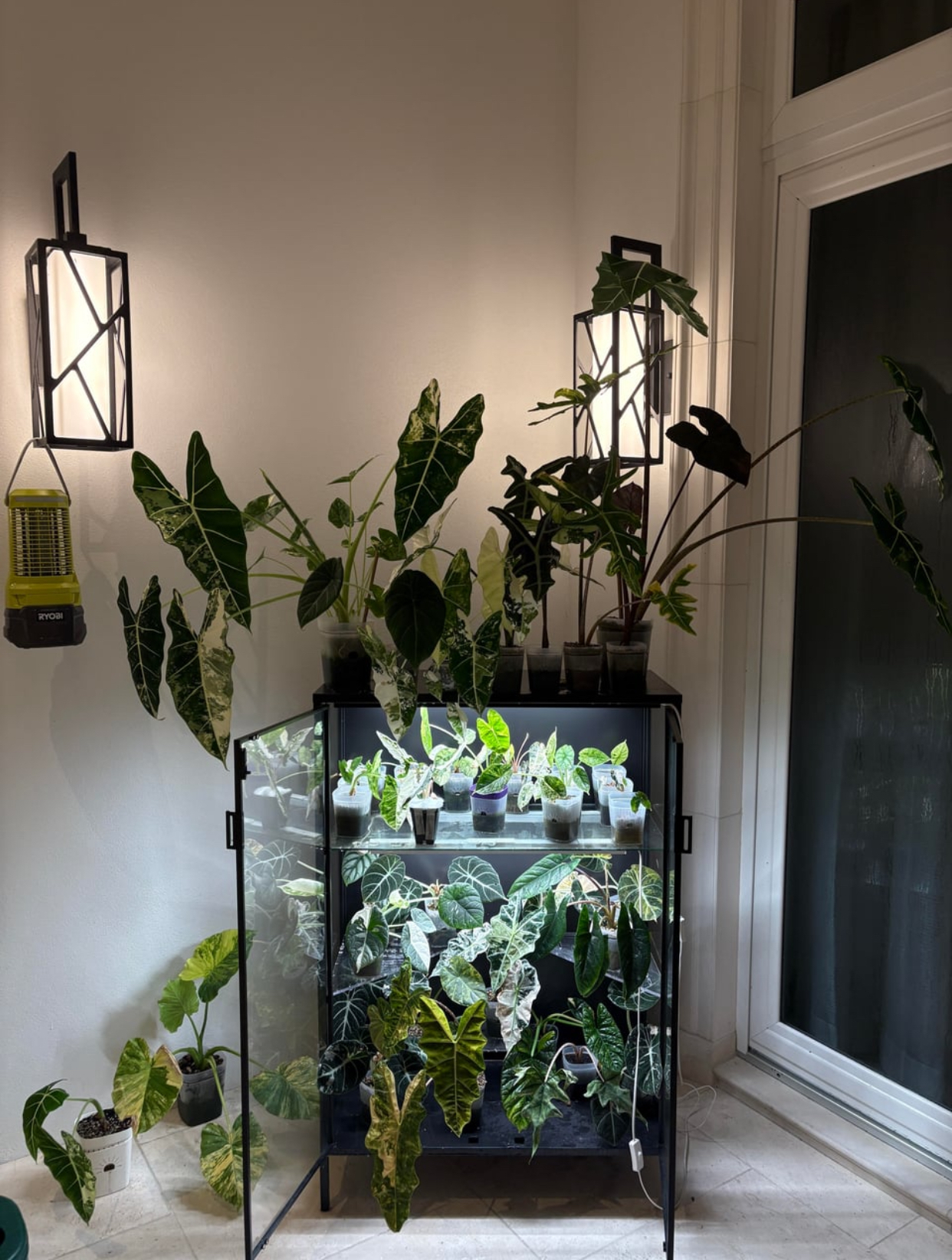
How to Care of Alocasia Plants
Alocasia plants are among the most striking tropical houseplants you can grow.
Known for their dramatic foliage, unique textures, and metallic or patterned leaves, these plants are true showpieces in any collection.
With over 80 species and numerous hybrids, Alocasias range from small tabletop varieties to large statement plants that transform indoor spaces into lush tropical retreats.
Whether you’re captivated by the shimmering bronze tones of Alocasia Cuprea, the sculptural beauty of Alocasia Dragon Scale, or the delicate charm of Alocasia Scalprum, understanding their care needs is key to helping these tropical gems thrive.
Explore our full collection of rare Alocasia plants, including Alocasia Cuprea, Dragon Scale, and Scalprum
Understanding Alocasia Plants
Alocasia belongs to the Araceae family, sharing ancestry with other tropical favorites like Philodendrons and Monsteras.
Native to the warm and humid forests of Southeast Asia, these plants grow on the forest floor where they receive dappled sunlight filtered through the canopy.
Alocasias are sometimes called “Elephant Ear” plants, though this nickname also applies to the related Colocasia.
Unlike Colocasia, which tends to prefer wetter soil, Alocasias thrive in moist but well-drained soil and appreciate higher humidity.
Each species has its own unique leaf texture, shape, and coloration from metallic sheens and deep veins to silver tones and glossy finishes making them irresistible for plant lovers and collectors alike.
Popular Alocasia Varieties and Their Unique Features
Here’s a closer look at three of the most sought-after Alocasias among collectors and enthusiasts:
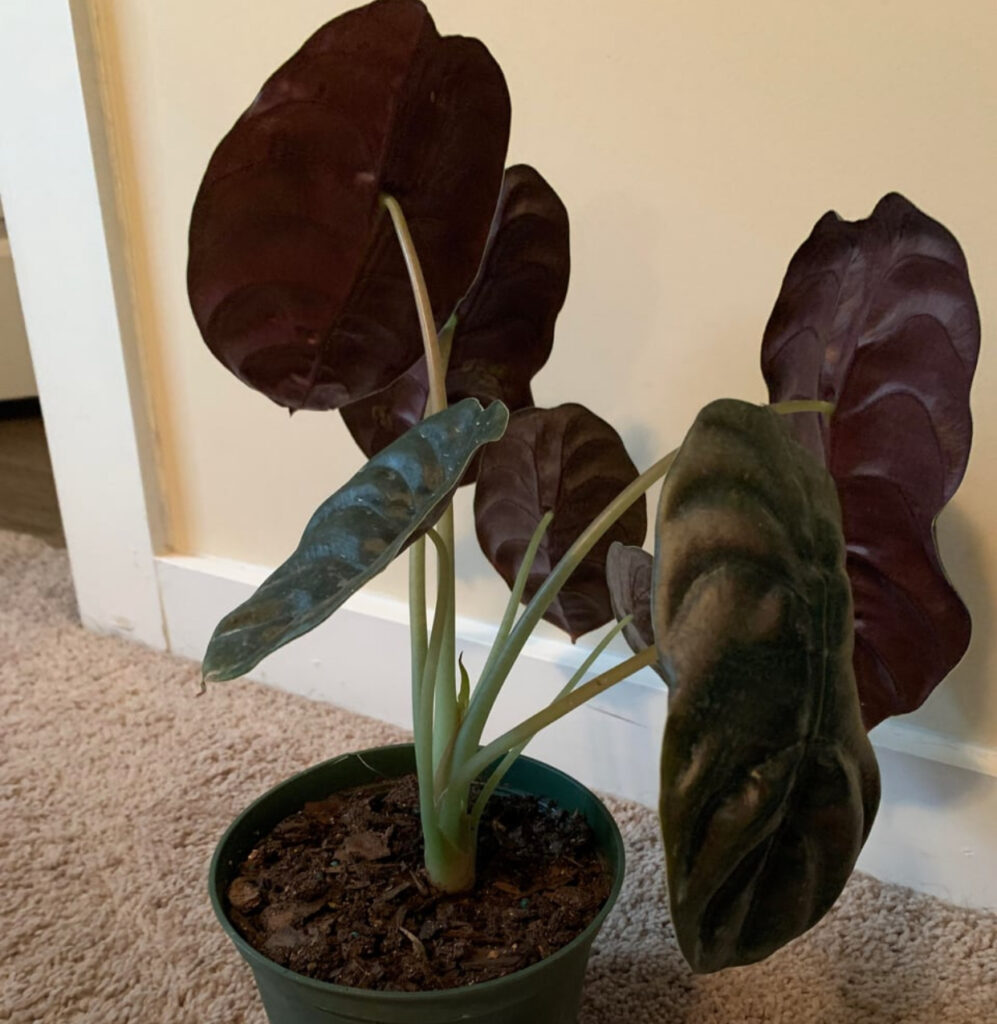
Alocasia Cuprea (Mirror Plant)
Alocasia Cuprea is famous for its metallic bronze leaves that shimmer like polished metal. Its foliage has a mirror-like sheen, ranging from coppery green to deep maroon depending on lighting.
This compact species thrives indoors with high humidity and filtered light.
Key features:
- Metallic, reflective leaves with a copper-red underside
- Compact growth habit (1–2 feet tall)
- Perfect for terrariums or tabletops

Alocasia Dragon Scale
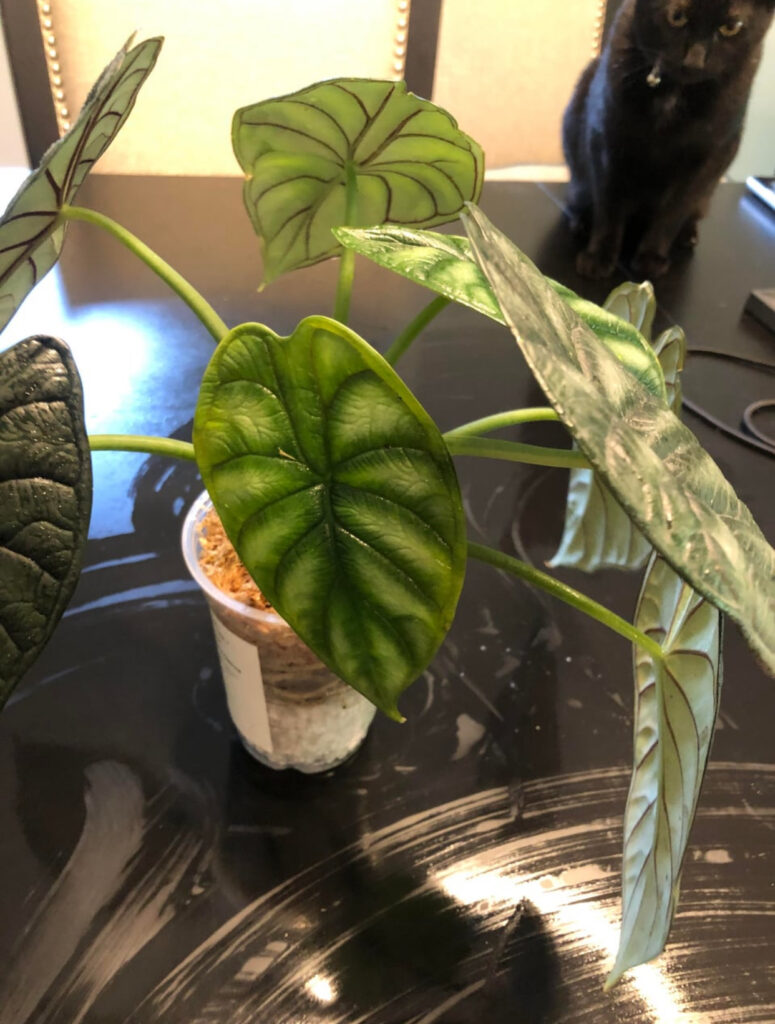
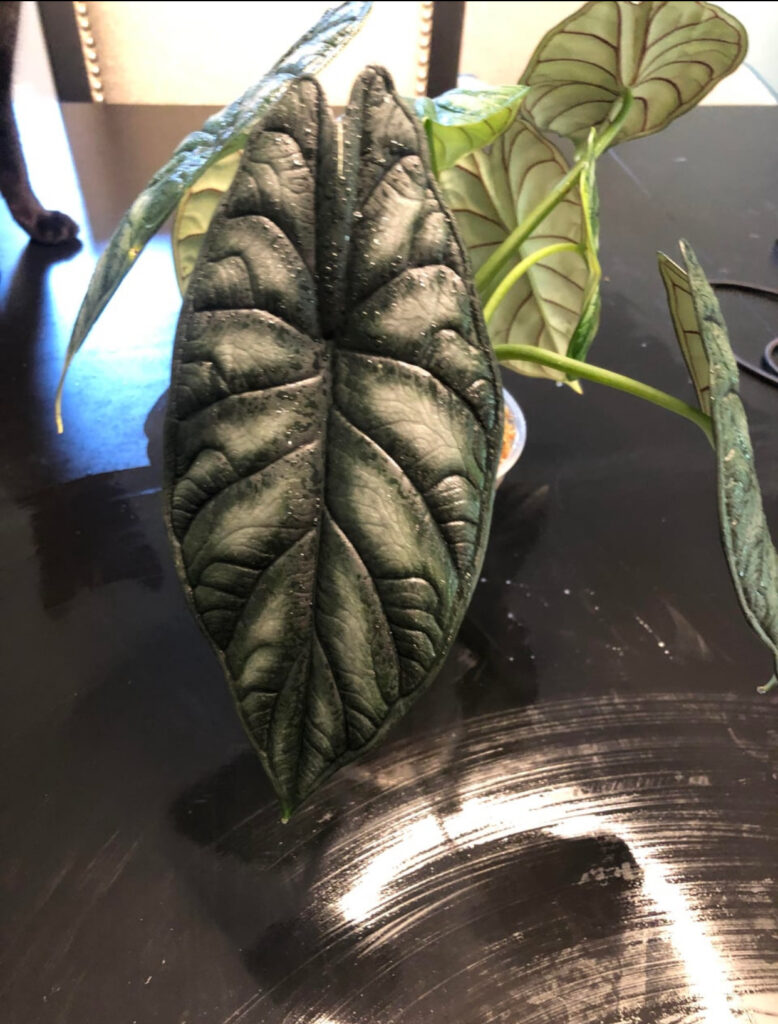
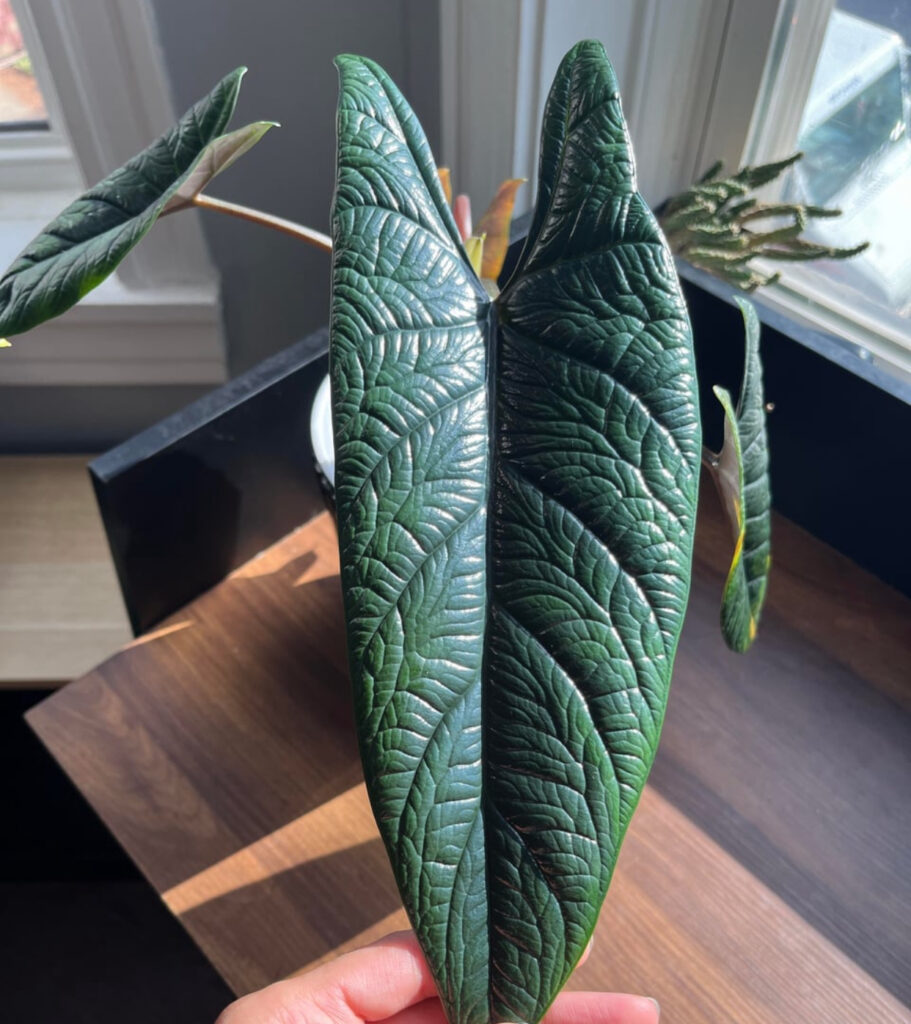
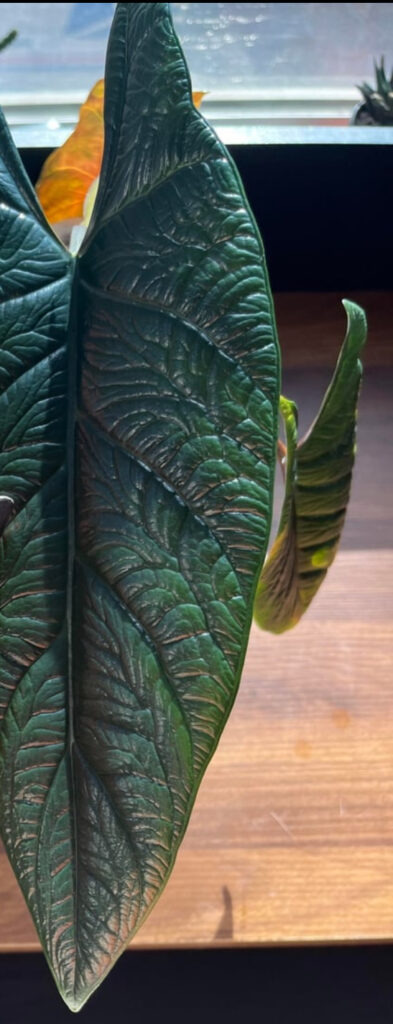
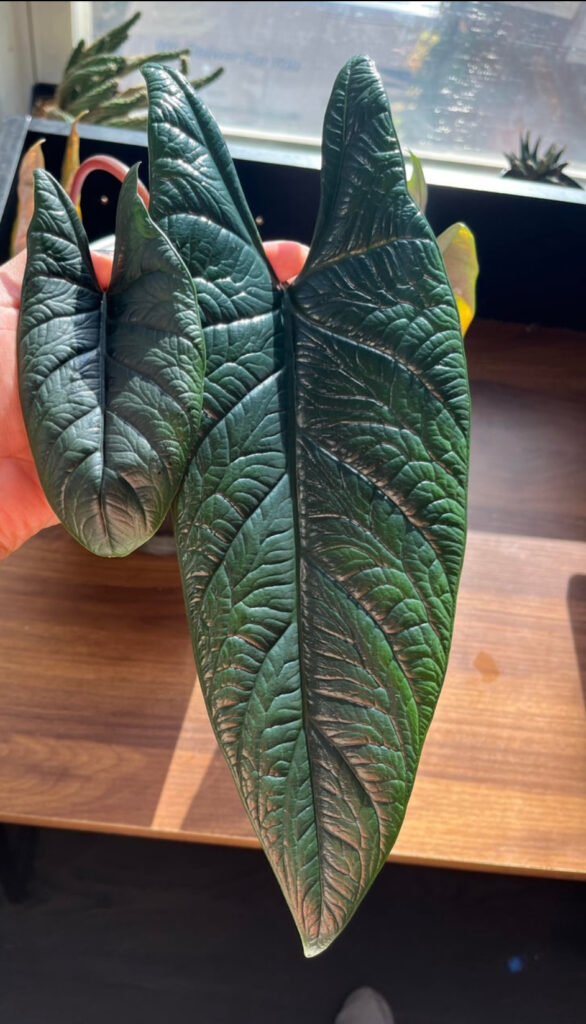
Part of the “Jewel Alocasia” family, the Alocasia Dragon Scale is a showstopper with leathery, silvery-green leaves that resemble dragon skin.
It’s highly durable for a Jewel Alocasia, making it suitable for intermediate plant parents.
Key features:
- Textured, silvery-green leaves with dark veins
- Grows up to 3 feet tall indoors
- Prefers bright, indirect light and stable humidity

Alocasia Scalprum
The Alocasia Scalprum, or “Narrow Leaf Alocasia,” is a smaller species known for its elongated, sword-like leaves with a glossy finish. It’s ideal for compact spaces or as part of a larger tropical display.
Key features:
- Narrow, glossy green leaves
- Compact growth (under 2 feet tall)
- Great for collectors with limited space
Light Requirements
Alocasias naturally grow beneath tropical canopies, so they prefer bright, indirect light rather than direct sun.
- Ideal placement: Near an east-facing or north-facing window, or several feet away from a bright south-facing window.
- Avoid: Direct sunlight, which can scorch the leaves and cause brown patches.
- Tip: Too little light can cause slower growth and dull leaf color.
For best variegation and color intensity, ensure your Alocasia receives at least 6–8 hours of filtered light daily.
Soil Mix
Alocasia plants prefer loamy, aerated soil that holds moisture while draining efficiently. A dense mix causes root rot, while overly sandy soil dries too quickly.
Best soil mix for Alocasia:
- 1 part indoor potting mix
- 1 part perlite or pumice
- 1 part orchid bark
- Optional: A small amount of coco coir or peat moss for moisture retention
This mix mimics the natural, airy forest floor where Alocasia roots thrive.
Watering Alocasia Plants
Alocasia plants like consistently moist but not soggy soil.
- Water when: The top 1–2 inches of soil are dry.
- Avoid: Overwatering — it’s the most common cause of Alocasia issues.
- During active growth (spring/summer): Water thoroughly, letting excess drain away.
- During dormancy (fall/winter): Reduce watering; allow more drying time between waterings.
Pro Tip: Use room-temperature filtered water or rainwater if possible. These plants can be sensitive to chlorine and hard minerals.
Temperature and Humidity
As tropical natives, Alocasia plants love warmth and humidity.
Ideal conditions:
- Temperature: 65–85°F (18–29°C)
- Humidity: 60–80%
Low humidity can cause crisp leaf edges and stunted growth.
Ways to maintain humidity:
- Use a humidifier nearby
- Group plants together
- Place pots on pebble trays with water (without letting the pot sit in water)
Avoid placing your Alocasia near air conditioning vents, heaters, or drafty windows.
Fertilizing Alocasia Plants
Feed Alocasia plants regularly during the growing season (spring and summer).
- Use a balanced liquid fertilizer (20-20-20 or similar)
- Dilute to half strength before applying
- Feed every 2–3 weeks during active growth
- Stop fertilizing during fall and winter dormancy
Signs of underfeeding: pale leaves or slowed growth.
Signs of overfertilizing: brown tips and leaf burn.
Pruning and Maintenance
Pruning is minimal — simply remove yellowing, dead, or damaged leaves.
- Always use sterilized scissors or shears.
- Wipe leaves occasionally to remove dust and enhance their natural shine.
- Rotate the plant every few weeks to encourage even growth.
Repotting and Propagation
Repotting:
- Every 12–18 months, or when roots start circling the pot.
- Choose a pot only 1–2 inches larger than the previous one.
- Repot during spring, when the plant resumes active growth.
Propagation:
- Best done by dividing rhizomes during repotting.
- Carefully separate new offsets with their roots attached.
- Plant divisions in fresh, moist soil and maintain high humidity until established.
Common Alocasia Problems (and Fixes)
| Problem | Cause | Solution |
|---|---|---|
| Yellowing leaves | Overwatering or poor drainage | Check roots, repot if necessary |
| Brown leaf edges | Low humidity or overfertilization | Increase humidity, adjust feeding |
| Drooping leaves | Cold drafts or inconsistent watering | Move to warmer location, stabilize watering |
| Spider mites or aphids | Dry air | Wipe leaves, use neem oil or insecticidal soap |
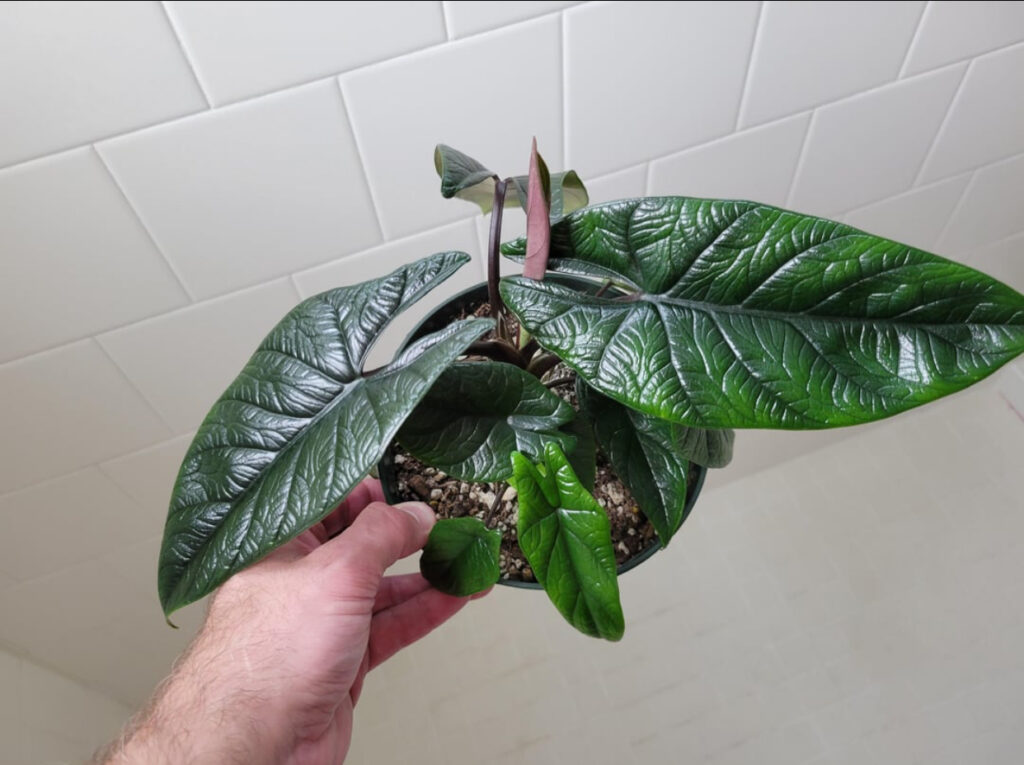
Healthy Alocasias have upright, glossy leaves and steady new growth.
Care Differences Between Cuprea, Dragon Scale & Scalprum
| Variety | Light | Water | Humidity | Special Note |
|---|---|---|---|---|
| Cuprea | Medium–bright indirect | Keep slightly moist | High | Sensitive to low humidity |
| Dragon Scale | Bright indirect | Allow top 2″ to dry | Moderate–high | Avoid overwatering |
| Scalprum | Medium indirect | Water moderately | Medium | Tolerant of lower humidity |
FAQ: Alocasia Care
1. Why are my Alocasia leaves turning yellow?
Usually due to overwatering or low light. Allow soil to partially dry between watering.
2. How often should I water my Alocasia?
Typically once a week during active growth — less often in winter.
3. Why is my Alocasia going dormant?
Dormancy occurs naturally during cooler or darker months. Reduce watering and resume regular care in spring.
4. Can I mist my Alocasia?
Occasional misting is fine, but a humidifier is far more effective and consistent.
5. Is Alocasia toxic to pets?
Yes. Like most aroids, Alocasia contains calcium oxalate crystals — keep away from pets and children.
6. Can I grow Alocasia outdoors?
Yes, in warm, humid climates (USDA Zones 9–11). Protect from direct sunlight and cold drafts.
7. What’s the best way to propagate Alocasia?
Divide rhizomes or offsets during spring repotting for best success.
Conclusion
Caring for Alocasia plants is a rewarding experience for any plant lover.
With proper light, water, humidity, and patience, your Alocasia will reward you with spectacular, sculptural foliage that elevates any indoor space.
Whether you love the bronze shimmer of Alocasia Cuprea, the textured leaves of Dragon Scale, or the elegant simplicity of Scalprum, these tropical plants are true collector’s items.
Ready to grow your own? Shop rare and exotic Alocasia plants now at VariegatedPlantShop.com.